

-
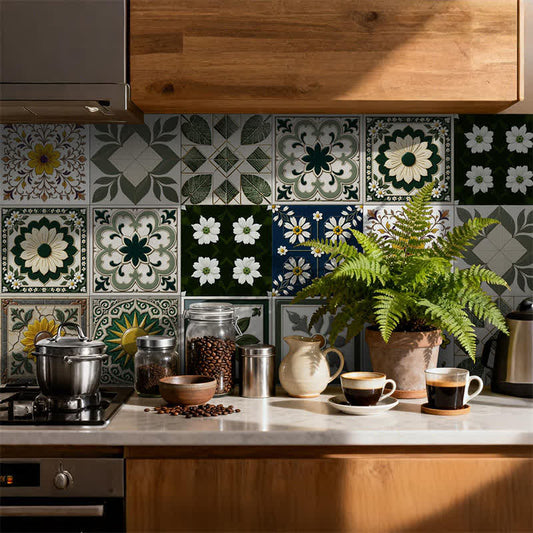
Ownkoti Retro Peel and Stick Wall Sticker (24PCS)
정가 $19.00 USD에서정가단가 단위$19.00 USD할인가 $19.00 USD에서 -
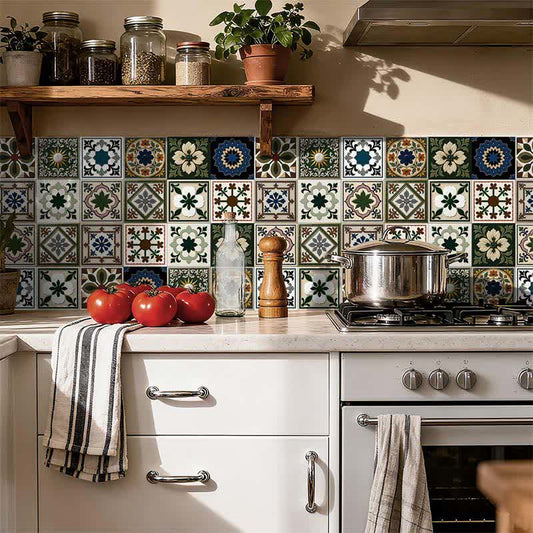
Ownkoti Retro Mixed Colorful Pattern Wall Sticker (10PCS)
정가 $15.00 USD에서정가단가 단위$15.00 USD할인가 $15.00 USD에서 -
Ownkoti Talavera Bohemian Waterpoof Wall Sticker (24PCS)
정가 $23.00 USD에서정가단가 단위$23.00 USD할인가 $23.00 USD에서 -
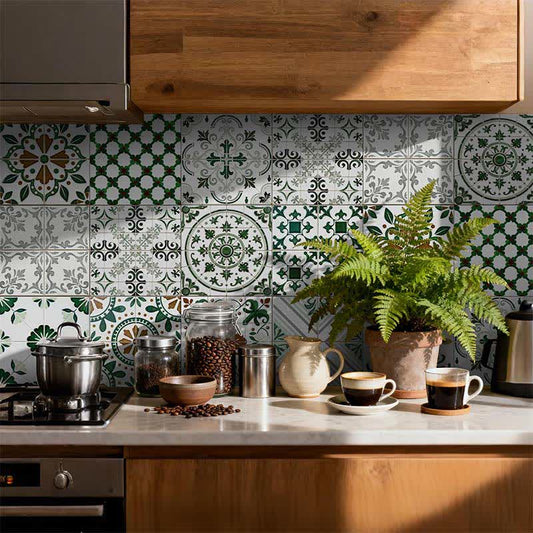
Ownkoti Mixed Abstract Pattern Wallpaper Wall Sticker (10PCS)
정가 $14.00 USD에서정가단가 단위$14.00 USD할인가 $14.00 USD에서 -
Ownkoti Colorful Mixed Pattern Wallpaper Tile Sticker (10PCS)
정가 $14.00 USD에서정가단가 단위$14.00 USD할인가 $14.00 USD에서 -
Ownkoti Bohemian Mixed Pattern Wallpaper Wall Sticker (10PCS)
정가 $15.00 USD에서정가단가 단위$15.00 USD할인가 $15.00 USD에서 -
Ownkoti Mixed Pattern Self-Adhesive Wall Sticker (10PCS)
정가 $14.00 USD에서정가단가 단위$14.00 USD할인가 $14.00 USD에서 -
Ownkoti Vintage Mandala Waterproof Tile Stickers (10PCS)
정가 $19.00 USD에서정가단가 단위$19.00 USD할인가 $19.00 USD에서 -
Ownkoti Mixed Pattern Wallpaper Sticker for Home (10PCS)
정가 $14.00 USD에서정가단가 단위$14.00 USD할인가 $14.00 USD에서 -
Ownkoti Waterproof Oil Proof Removable Wall Sticker (24PCS)
정가 $21.00 USD에서정가단가 단위$21.00 USD할인가 $21.00 USD에서 -
Ownkoti PET Foam Colorful Talavera Tile Wall Decals
정가 $49.00 USD에서정가단가 단위$49.00 USD할인가 $49.00 USD에서 -
Ownkoti Sun & Floral Peel and Stick Wall Sticker (24PCS)
정가 $29.00 USD에서정가단가 단위$29.00 USD할인가 $29.00 USD에서 -
Ownkoti Country Rustic Peel and Stick Wall Sticker (24PCS)
정가 $29.00 USD에서정가단가 단위$29.00 USD할인가 $29.00 USD에서 -
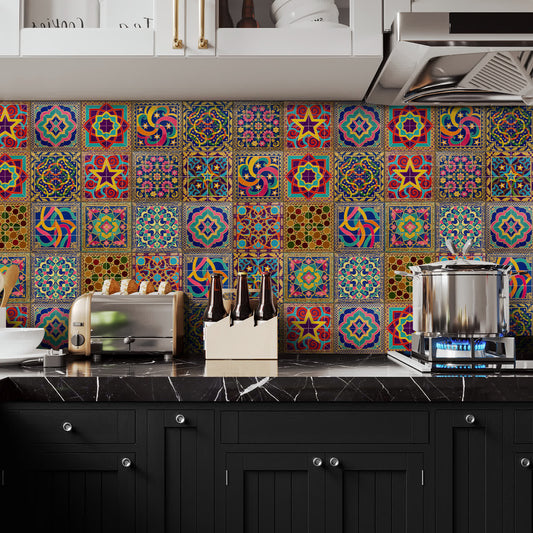
Ownkoti Boho Peel and Stick Wall Sticker (24PCS)
정가 $29.00 USD에서정가단가 단위$29.00 USD할인가 $29.00 USD에서 -
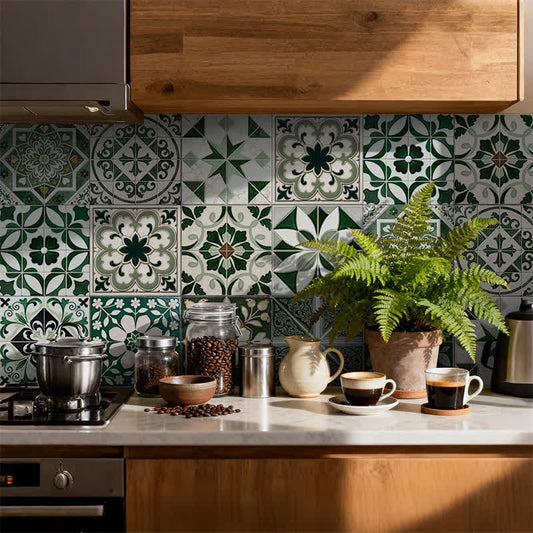
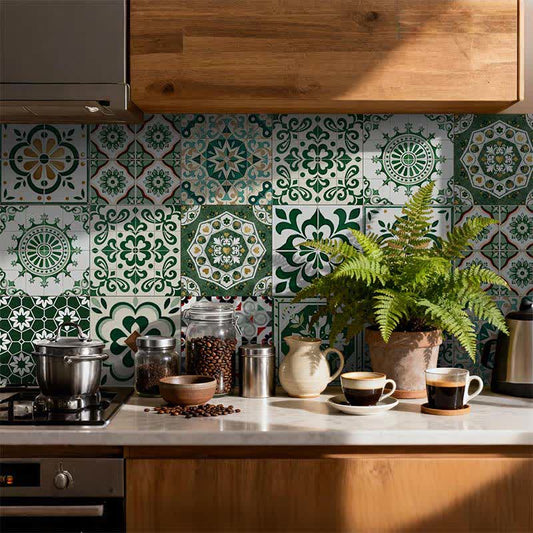
Ownkoti Green & White Peel and Stick Wall Sticker (24PCS)
정가 $29.00 USD에서정가단가 단위$29.00 USD할인가 $29.00 USD에서 -
Ownkoti Peel & Stick Boho Waterproof Tile Wall Decals
정가 $49.00 USD에서정가단가 단위$49.00 USD할인가 $49.00 USD에서 -
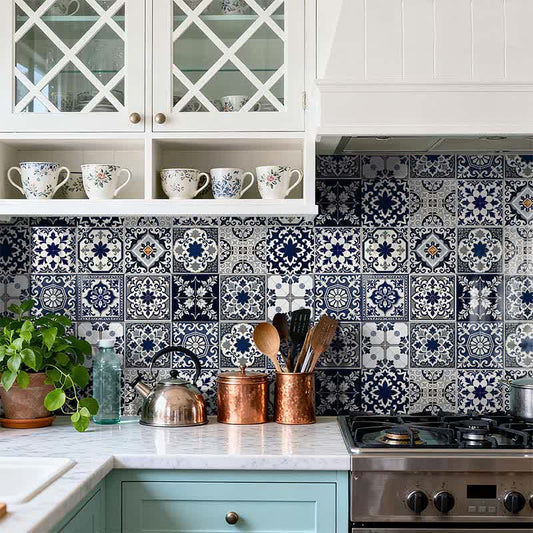
Ownkoti Retro Blue Peel and Stick Wall Sticker (24PCS)
정가 $29.00 USD에서정가단가 단위$29.00 USD할인가 $29.00 USD에서 -
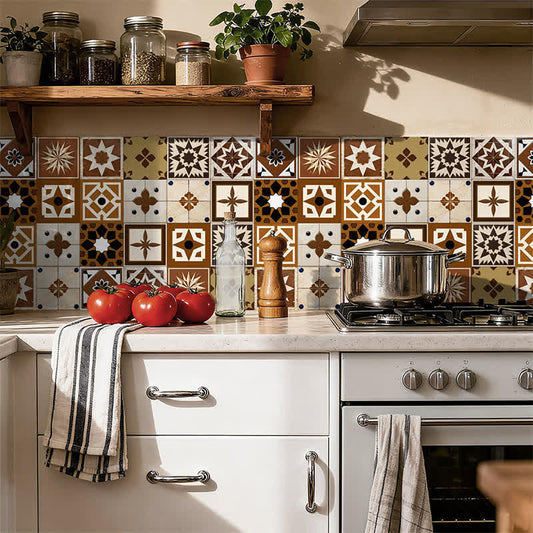
Ownkoti Brown Geometric Peel and Stick Wall Sticker (24PCS)
정가 $29.00 USD에서정가단가 단위$29.00 USD할인가 $29.00 USD에서 -
Ownkoti Boho Green Peel and Stick Wall Sticker (24PCS)
정가 $29.00 USD에서정가단가 단위$29.00 USD할인가 $29.00 USD에서 -
Ownkoti Orange & Green Peel and Stick Wall Sticker (24PCS)
정가 $29.00 USD에서정가단가 단위$29.00 USD할인가 $29.00 USD에서 -
Ownkoti Vintage Peel and Stick Wall Sticker (24PCS)
정가 $29.00 USD에서정가단가 단위$29.00 USD할인가 $29.00 USD에서 -
Ownkoti Retro Floral Peel and Stick Wall Sticker (24PCS)
정가 $29.00 USD에서정가단가 단위$29.00 USD할인가 $29.00 USD에서


















FAQs
Are wall stickers reusable, and how can I store them for future use?

Yes, wall stickers can be reusable, but their reusability depends on the quality of the material and how carefully they are removed. Gently peel the wall stickers off the wall using a hairdryer to soften the adhesive and avoid stretching. Place them back on the original backing paper or use wax paper for storage, pressing out any bubbles to preserve the adhesive layer.
Keep wall stickers flat and away from heat, moisture, and sunlight during storage to maintain their condition. Not all wall stickers are designed for reuse, so check the product specifications before removal. With proper handling, wall stickers can be a versatile and cost-effective way to refresh your decor across multiple seasons or rooms.
What surfaces are suitable for applying wall stickers in a rental apartment?
Smooth, clean surfaces like painted drywall, mirrors, glass, and doors are ideal for applying wall stickers in a rental apartment. These surfaces allow the adhesive to stick well and ensure easy removal without damaging the paint. Before applying, make sure the wall is dry and dust-free to enhance the grip of the wall stickers.
Avoid rough or porous textures like concrete, unpainted brick, or heavily textured wallpaper, as wall stickers may not adhere properly and could peel off quickly. Since many renters are concerned about wall damage, removable wall stickers with gentle adhesive are a safe and popular choice for temporary personalization.
Can wall stickers be applied to textured walls or brick surfaces?
Applying wall stickers to textured walls or brick surfaces can be challenging due to the uneven surface. Most wall stickers are designed for smooth, flat areas, so the adhesive may not bond well on rough textures, causing the stickers to lift or curl at the edges. If you do apply them, press firmly and use a heat source like a hairdryer to help mold the wall stickers to the surface.
For heavily textured walls or bricks, consider using specialized wall stickers with extra-strong adhesive or choose vinyl decals rated for rough surfaces. Keep in mind that even with the right type, longevity may be reduced, and removal could be more difficult without leaving residue.
How long do wall stickers typically last before they start peeling?
The lifespan of wall stickers depends on their quality, the surface they're applied to, and environmental factors like humidity or direct sunlight. On smooth indoor walls, high-quality wall stickers can last anywhere from 2 to 5 years without peeling. Lower-grade materials or exposure to moisture may shorten their durability.
Proper application is key—make sure the surface is clean and dry before applying. Avoid placing wall stickers near heat sources or in damp rooms like bathrooms. With good maintenance, your wall stickers will stay vibrant and adhered for years, making them a reliable and affordable decor solution.
Are tile stickers waterproof enough for use in bathrooms and kitchens?
Yes, most high-quality tile stickers are designed to be water-resistant or waterproof, making them suitable for bathrooms and kitchens. These tile stickers typically feature a waterproof vinyl surface and strong adhesive backing that holds up well against splashes, steam, and occasional wiping with a damp cloth.
However, prolonged exposure to water, especially in areas like shower walls or behind sinks, may reduce the lifespan of tile stickers over time. For best results, ensure the surface is clean and completely dry before applying. When properly installed and maintained, tile stickers provide a cost-effective way to update wet areas without permanent renovation.
Can I install tile stickers over old or cracked tiles without issues?
Yes, tile stickers can be applied over old or cracked tiles, but the surface should be stable and clean. If the cracks are too deep or uneven, the tile stickers may not adhere smoothly or may show imperfections. For best results, fill in larger gaps and ensure the surface is flat before applying tile stickers.
Using tile stickers is a great way to refresh outdated tiles without the cost of removal. Just be sure to clean thoroughly to remove grease, soap scum, or debris. Proper preparation ensures the tile stickers adhere well and look seamless, even over less-than-perfect surfaces.
How do I clean tile stickers without damaging the adhesive or design?
To clean tile stickers without harming the adhesive or printed design, use a soft cloth or sponge with mild soap and water. Avoid abrasive scrubbers or strong chemicals, as they can wear down the top layer and reduce the life of your tile stickers. Gently wipe the surface to maintain both appearance and adhesion.
Proper care helps preserve the vibrant look of your tile stickers, especially in high-use areas like kitchens or bathrooms. Regular maintenance ensures the tile stickers stay clean, water-resistant, and securely in place, giving your space a fresh and low-maintenance upgrade.
What is the best way to apply wallpaper stickers to avoid air bubbles?
To avoid air bubbles during application, start by cleaning the surface and ensuring it’s completely dry. Peel the wallpaper stickers slowly and press them down with a squeegee or soft cloth from the center outward. This method helps eliminate trapped air and ensures a smooth, professional finish for your wallpaper stickers.
Work in small sections to maintain alignment and control. If a bubble forms, lift that part of the wallpaper stickers and reapply with more pressure. Some wallpaper stickers are repositionable, which makes adjustments easier. Careful application enhances the appearance and durability of the wallpaper stickers over time.
Are wallpaper stickers a good temporary solution for covering damaged walls?
Yes, wallpaper stickers are an excellent temporary fix for covering stains, cracks, or outdated paint on walls. They offer an affordable way to refresh a space without committing to permanent wallpaper or paint. Many wallpaper stickers are peel-and-stick, allowing for easy installation and removal with minimal damage.
Make sure the wall is clean and smooth for the best results. While wallpaper stickers won’t fix structural damage, they can conceal imperfections and enhance aesthetics quickly. Choose designs that complement your decor and enjoy a refreshed room with minimal effort using wallpaper stickers.
Do wallpaper stickers fade or discolor when exposed to sunlight over time?
Over time, wallpaper stickers exposed to direct sunlight may experience some fading or discoloration, especially if they are made from low-quality materials. UV rays can break down the printed surface, so it's best to use wallpaper stickers in shaded indoor areas for long-lasting color and performance.
If you're applying wallpaper stickers near windows or in bright rooms, choose UV-resistant varieties specifically labeled for sun exposure. These versions are more durable and will keep your decor vibrant. Routine care and thoughtful placement help wallpaper stickers retain their visual appeal for years.